Creatine has been studied for cognitive effects for over two decades. The findings are some of the more robustly replicated in the supplement literature, particularly in populations under cognitive stress.
The mechanism: brain energy
Creatine works by buffering the brain's ATP supply. ATP (the energy molecule cells use to power everything) is consumed rapidly during high cognitive load. Phosphocreatine, the storage form of creatine in tissue, can rapidly regenerate ATP from ADP, effectively giving the brain a larger reservoir of immediately-available energy.
The brain has its own creatine pool, and this pool depletes under stress, sleep deprivation, or sustained cognitive demand. Supplemental creatine increases brain creatine stores, which is the proposed mechanism for the cognitive findings.
What the research consistently shows
Multiple randomized controlled trials have shown creatine improves cognitive performance, particularly in:
- Sleep-deprived individuals. A 2024 study published in Scientific Reports showed that a single 0.35 g/kg dose of creatine (about 24 g for a 70 kg adult) significantly improved cognitive performance during 21 hours of sleep deprivation.
- Vegetarians and vegans. Because dietary creatine comes from meat and fish, plant-based eaters tend to have lower baseline creatine levels. Studies in vegetarians show larger cognitive improvements from supplementation than in omnivores.
- Older adults. Several studies have shown creatine improves working memory and reaction time in adults over 60, particularly on tasks requiring sustained attention.
- Under cognitive load. Effects are more pronounced on demanding tasks than on simple ones, consistent with the "brain energy reservoir" mechanism.
What it doesn't seem to do
- Rested, well-fed healthy adults often show smaller cognitive benefits from creatine. The reservoir is already adequate.
- Creatine is not a stimulant. There's no acute "felt" effect like caffeine.
- It doesn't appear to enhance creative problem-solving or insight tasks. Its effects are more on processing speed and working memory under load.
Dosing for cognitive benefit
The cognitive research uses a range of protocols. The most common:
- Loading phase (optional): 20 g/day for 5–7 days, split into 4 doses. Saturates the brain creatine pool faster.
- Maintenance: 3–5 g/day indefinitely. Maintains saturation.
Higher doses (10+ g) have been used in some sleep-deprivation studies but aren't necessary for typical daily-use protocols.
What form to use
Creatine monohydrate is the most extensively studied form, and the form for which all the cognitive research has been done. Various branded forms (HCL, ethyl ester, etc.) have been marketed as superior, but the evidence base for them is much weaker. In some cases, they've been shown to be inferior to monohydrate.
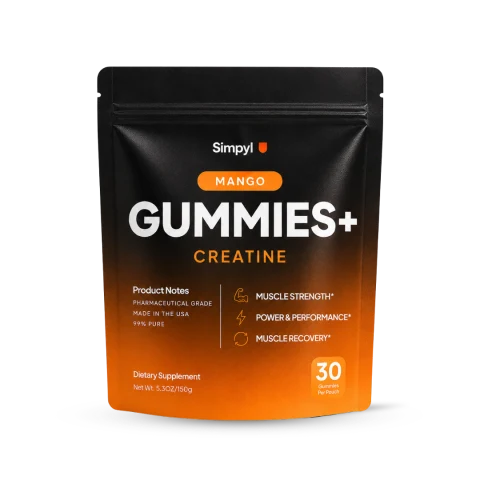
Our forthcoming creatine product will use creatine monohydrate at a daily dose appropriate for both cognitive and physical effects, with third-party testing for purity (creatine products have historically been a source of stimulant adulteration in low-quality sources).
Stacking with other compounds
Creatine operates on completely different mechanisms from Methylene Blue (mitochondrial electron transport) and lion's mane (neurotrophic factor support). Stacking is generally safe and may produce complementary effects across different aspects of cognitive function.
This article describes published research. It is not medical advice. Statements about our future products have not been evaluated by the FDA.
Sources
- Rae C, Digney AL, McEwan SR, Bates TC. (2003). Oral creatine monohydrate supplementation improves brain performance: a double-blind, placebo-controlled, cross-over trial. Proceedings of the Royal Society B, 270(1529), 2147–2150.
- Avgerinos KI, Spyrou N, Bougioukas KI, Kapogiannis D. (2018). Effects of creatine supplementation on cognitive function of healthy individuals: a systematic review of randomized controlled trials. Experimental Gerontology, 108, 166–173.
- McMorris T, Mielcarz G, Harris RC, et al. (2007). Creatine supplementation and cognitive performance in elderly individuals. Aging, Neuropsychology, and Cognition, 14(5), 517–528.
- Roschel H, Gualano B, Ostojic SM, Rawson ES. (2021). Creatine supplementation and brain health. Nutrients, 13(2), 586.
- Gordji-Nejad A, Matusch A, Kleedörfer S, et al. (2024). Single dose creatine improves cognitive performance and induces changes in cerebral high energy phosphates during sleep deprivation. Scientific Reports, 14, 4937.